
Recent announcements and launches such as Disney’s Moana remake and Assassin’s Creed IV: Black Flag Resynced highlight a growing trend across entertainment: audiences want to revisit the stories and worlds they love, but they expect them to feel relevant to today’s standards.
For Sumo, successful remakes and remasters sit at the intersection of preservation, innovation, and trust. Striking that balance is no small feat, but it’s one Sumo has helped partners achieve for more than two decades. From OutRun 2006: Coast 2 Coast, Call of Duty: Vanguard, Yakuza Kiwami, and Sonic & All-Stars Racing Transformed to more recent work on Gears of War: Reloaded, Fallout 4: Anniversary Edition and numerous platform ports, we’ve learned that bringing an established IP back to life requires far more than upgraded visuals.
Respect the DNA: Modernising Classic Video Games
The first rule of any remake or remaster is simple: understand what makes the original games special.
Players may struggle to articulate exactly why they loved a game, but they instantly recognise when a modern version loses the essence of the original. Successful video game remakes and remasters are built on the same foundation: understanding what players valued most about the original experience. The difference lies in the application. Remasters typically preserve the game itself while modernising its presentation and technology. Remakes have greater scope to revisit mechanics, content and systems, but must still protect the moments, emotions and identity that made the original memorable. Before deciding what to change, great teams first determine what cannot be lost
When modernising classic video games, every design decision, technical upgrade or quality-of-life improvement has to support the core identity of the franchise while making it accessible to new audiences. That philosophy has guided our work across some of gaming’s most recognisable brands. We have often ended up as IP guardians, taking the mantle from the original developers and representing the characters, worlds and gameplay on behalf of them.
“The most successful remake projects start with respect,” says Ben Godwin, Licensing & Business Development Director, Sumo. “Fans aren’t looking for their favourite memories to be replaced; they want them reintroduced in a way that feels authentic and contemporary.”
Sean Millard, Creative Comms & Brand Director at Sumo adds “There’s a fine balance when redeveloping an established franchise. It starts with respect for the IP: understanding why players connected with it in the first place, what has stood the test of time, and what absolutely needs to remain. The challenge is preserving the identity people love while finding opportunities to evolve it for modern audiences.”
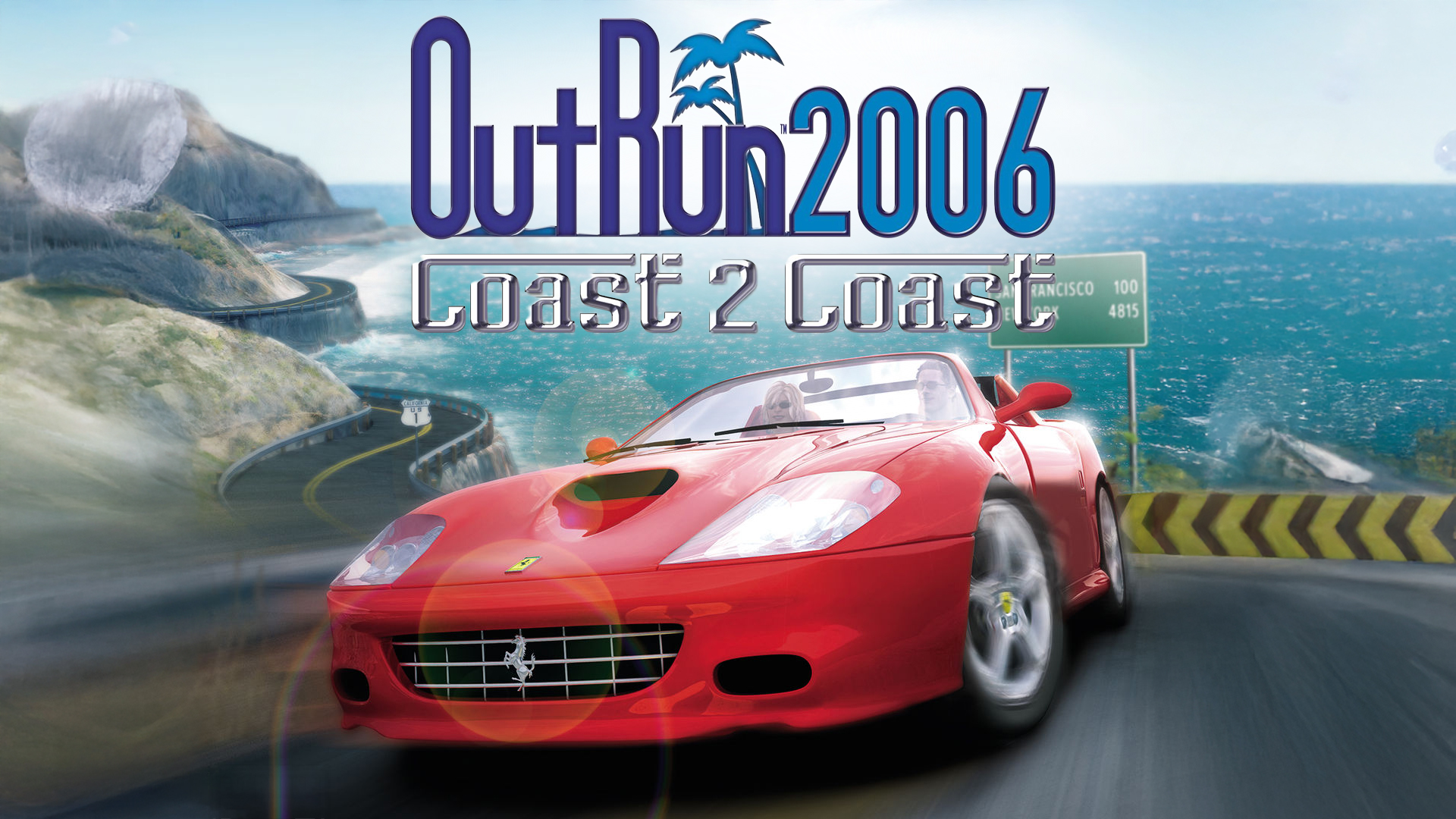
OutRun 2006 Coast 2 Coast Key Art
The Hidden Technical Challenge Behind Every Great Remake
From the outside, video game remakes can appear to be a straightforward exercise: take an existing game, update the graphics and release it for modern platforms. The reality is far more complex.
Many beloved games were originally built on technology stacks, workflows and hardware architectures that simply don’t exist anymore. Development teams are often faced with ageing codebases, outdated tools, missing documentation and engines that were never designed to support today’s expectations around performance, accessibility, online services or cross-platform play.
In some cases, studios are effectively carrying out digital archaeology.
A single feature might rely on systems developed years ago, with source assets that are incomplete or pipelines that are no longer supported. Before developers can improve a game, they often need to understand exactly how and why it worked in the first place.
At the same time, player expectations have changed dramatically. Modern audiences expect 4K visuals, high frame rates, rapid loading times, accessibility options, cross-play functionality, cloud saves and seamless online services as standard. Integrating these features into a title originally built for vastly different hardware can require significant re-engineering rather than simple enhancement.
This is something Sumo has encountered across remasters, platform adaptations and reinvigorations of established franchises. Whether replacing legacy online systems, modernising UI, introducing new accessibility features or optimising games for entirely new hardware, the challenge is rarely just visual. It’s about ensuring a classic experience feels native on modern platforms.
“One of the biggest misconceptions around remakes is that you’re starting with a finished blueprint” states James Oates, Vice President of Sumo Digital. “In reality, you’re often rebuilding a complex machine while simultaneously preserving all the characteristics that made people fall in love with it the first time. The technical challenge is immense because players will notice every improvement, but they’ll also notice every small thing that doesn’t stack up with their nostalgic expectations.”
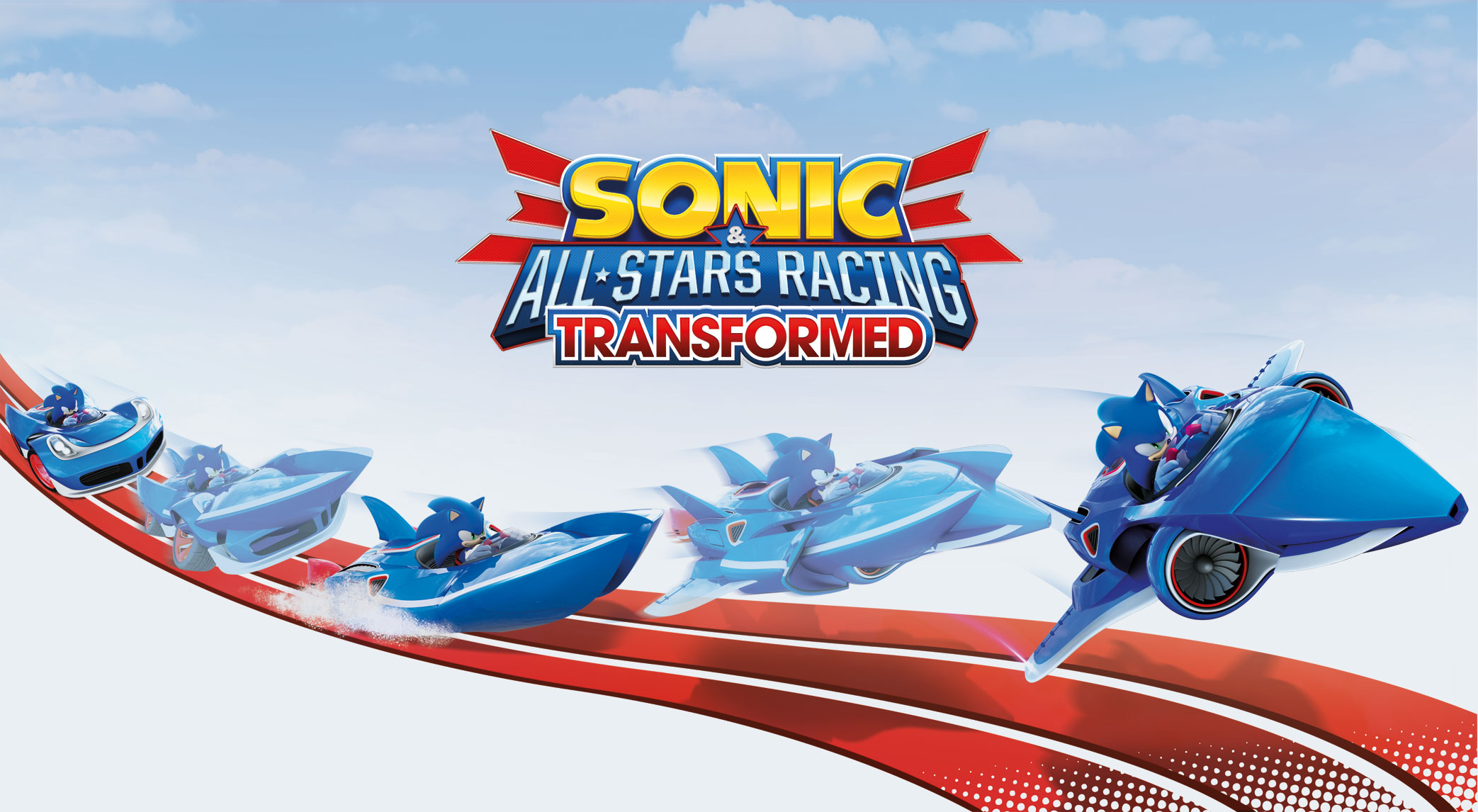
Sonic & All Stars Racing Transformed Key Art
Modern Expectations Demand Modern Solutions
While nostalgia may attract players, modern production values are what keep them engaged.
Today’s audiences expect enhanced visuals, stronger accessibility features, improved performance and seamless online functionality. Delivering this often means far more than a graphical overhaul. Legacy systems frequently need replacing, workflows need modernising and technology stacks must evolve to meet current platform requirements. The goal isn’t simply to make an older game look better; it’s to ensure it meets and exceeds contemporary expectations around usability, accessibility, performance and player experience while remaining true to its original identity.
Recent industry examples show that successful video game remasters often introduce cross-play, accessibility upgrades, improved networking and performance enhancements alongside visual improvements. The end-result should feel familiar but never dated.
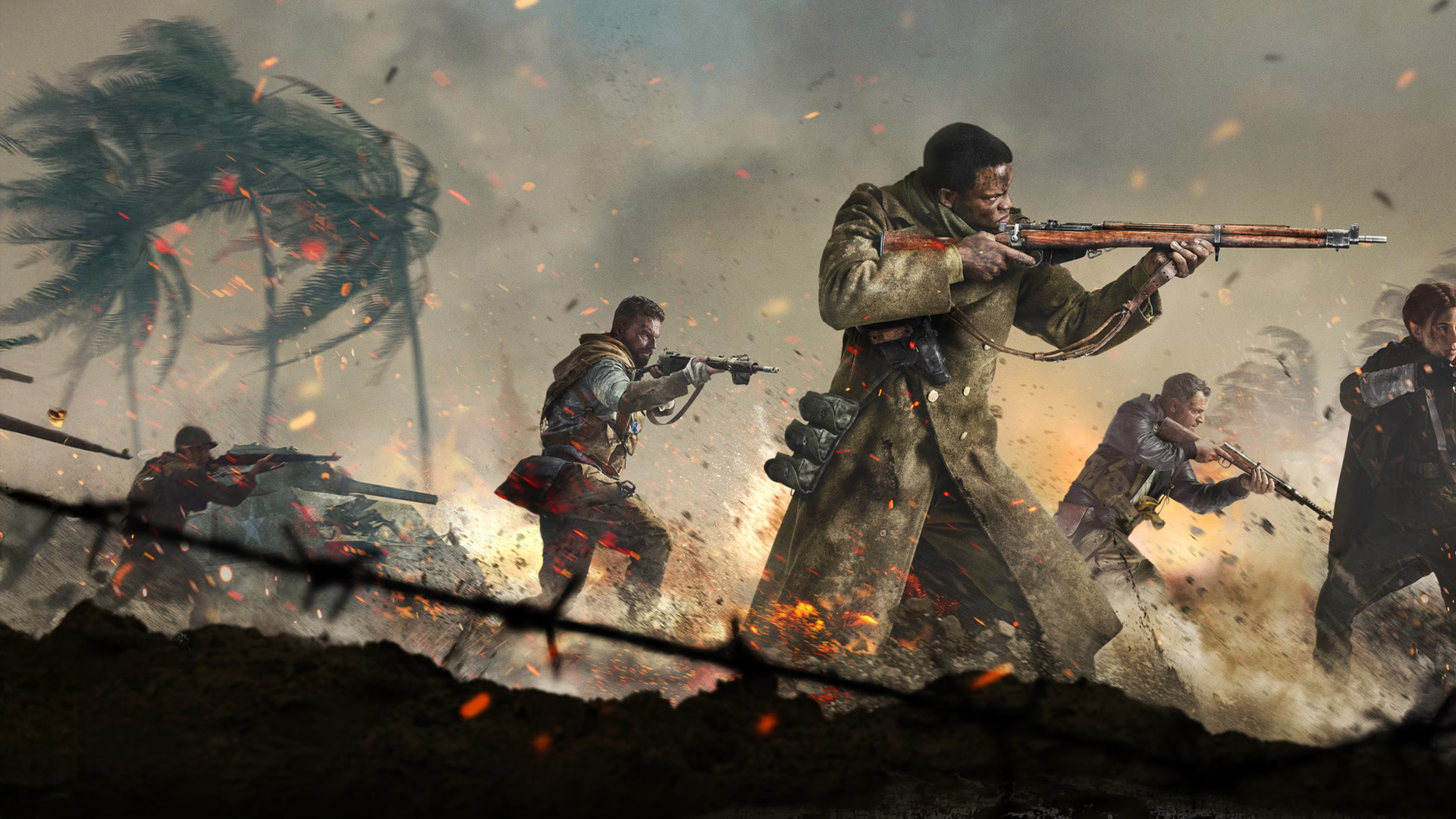
Call of Duty: Vanguard Key Art Image
Know When to Rebuild and When to Refine
One of the biggest decisions in any remake project is determining what should be rebuilt and what should be preserved.
Sometimes an existing framework can be enhanced and modernised. In other cases, the best approach is starting again with new tools, engines and pipelines. The answer depends on the ambitions of the project, the expectations of the audience and the future plans for the IP.
The strongest projects view video game remakes and remasters not as standalone releases, but as long-term investments in a franchise.
“A remake isn’t just about celebrating what came before. It’s an opportunity to prepare an IP for what comes next. The best projects use modern technology, contemporary design thinking and player insight to create a platform that can support the future of a franchise” Oates adds.
The decision is rarely driven by technical considerations alone. Publishers often have a clear vision for how an IP should evolve, the audience it should reach and the position it should occupy in today’s market. Successful remake and remaster projects balance those commercial ambitions with the expectations of long-time fans, ensuring evolution never comes at the expense of authenticity.
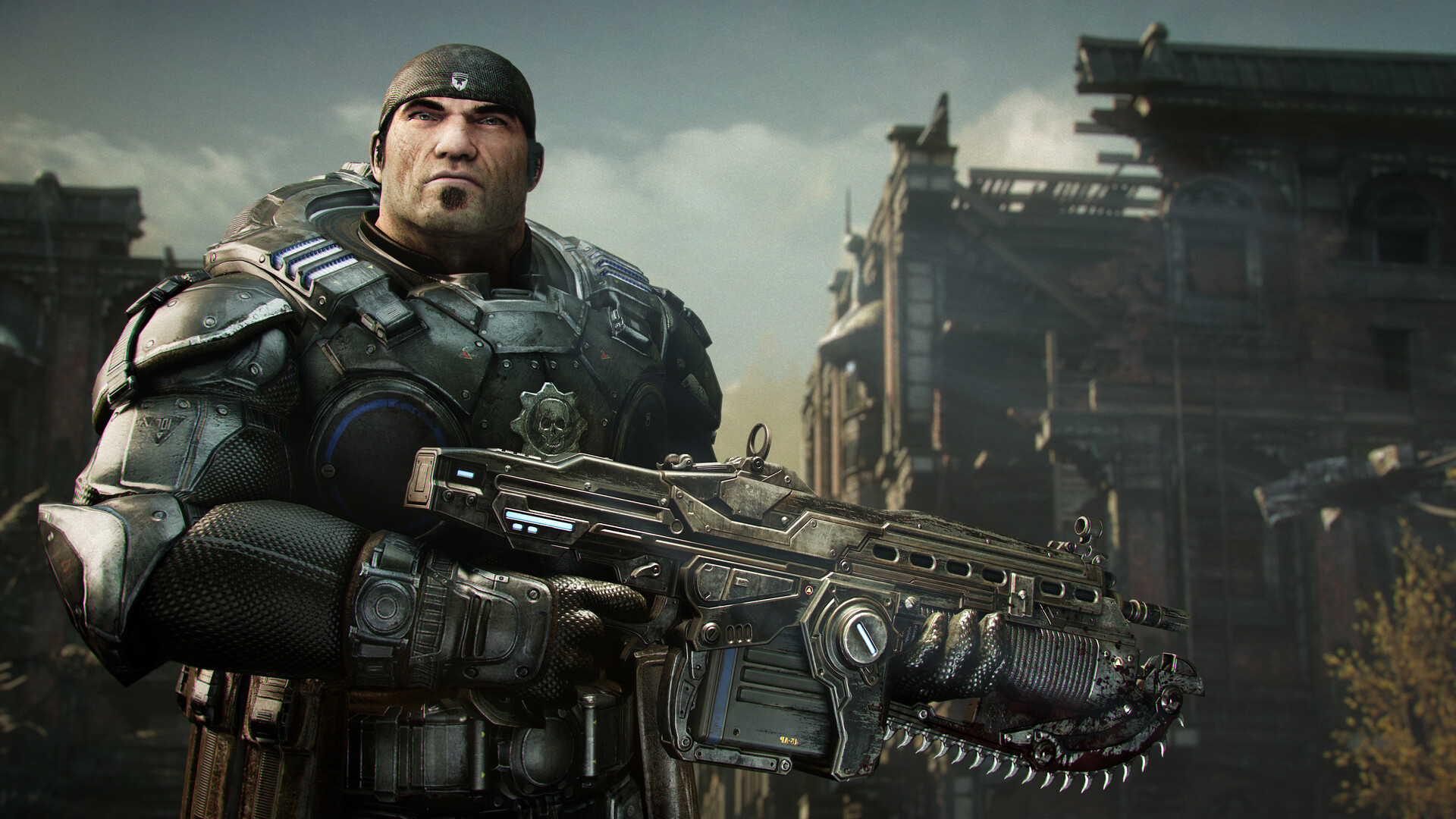
Gears of War: Reloaded Key Art
Building for New Audiences
Perhaps the most overlooked aspect of remasters and remakes is their ability to introduce iconic IP to entirely new generations of players.
Many of today’s biggest gaming communities weren’t around when classic titles first launched. A successful remake becomes both a celebration of the past and an onboarding point for the future. It broadens an audience, strengthens brand relevance and extends the commercial lifespan of valuable IP.
That’s why the most successful projects aren’t driven solely by nostalgia. They’re driven by a vision for what the franchise can become next.
For developers, publishers and IP holders alike, that is the real opportunity. “When done well, a remake or remaster doesn’t simply revisit history: it creates the foundation for the next chapter. It’s a creative process that demands equal parts preservation, innovation and stewardship—treating an established IP with the same care and attention as its original creators, while ensuring it can stand the test of time for years to come,” says Millard.
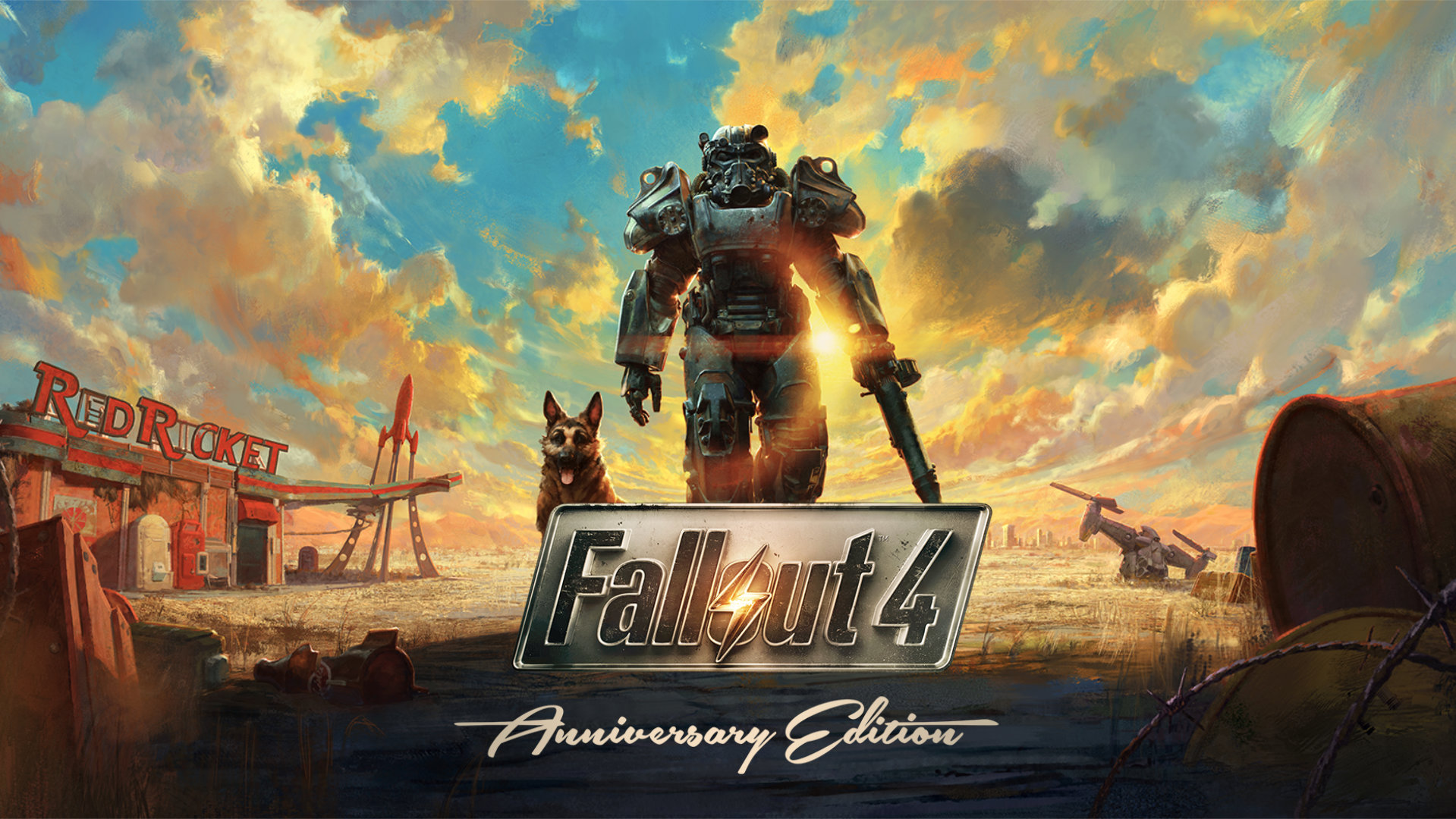
Fallout 4: Anniversary Edition Key Art
Have an IP Ready for Its Next Life?
From remakes and remasters to platform adaptation and co-development, Sumo has helped some of gaming’s most iconic franchises reach new audiences while staying true to what made them great in the first place. With experience across more than 30 remaster, remake and game porting projects, deep technical expertise, and a proven track record of IP guardianship, we understand how to balance nostalgia with innovation.
Get in touch to discuss how we can help bring your next remake, remaster or reinvigoration project to life.