
Developing a game for new hardware is always a technical challenge. Developing one when the hardware doesn’t yet exist is something else entirely.
The games industry is increasingly being asked to develop alongside emerging technologies, rather than simply for them. Whether it’s new hardware architectures, AI-driven systems or novel rendering techniques, development teams are being asked to make critical production decisions before the underlying technology is fully understood.
Neural Dawn was one such challenge.
Arm Neural Technology represents a significant step forward in mobile graphics, opening possibilities for what games could achieve on mobile hardware. Realising that potential required more than a showcase title; it demanded an approach capable of exploring the architecture’s capabilities while navigating the challenges of working with emerging technology. Sumo brought the technical expertise and experience needed to bridge that gap, working alongside Arm to translate the technology’s potential into a tangible demonstration of what the future of mobile gaming could look like.
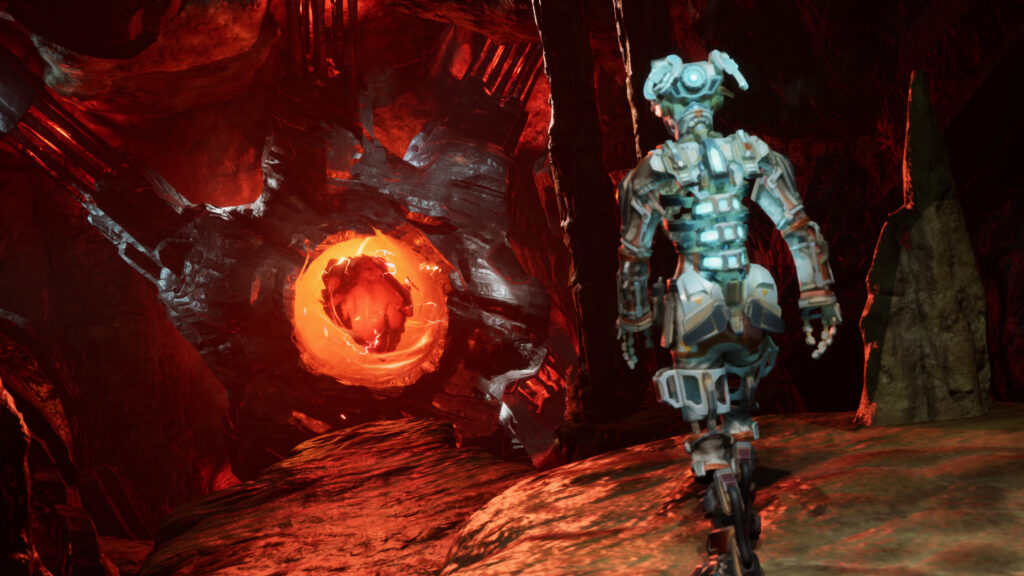
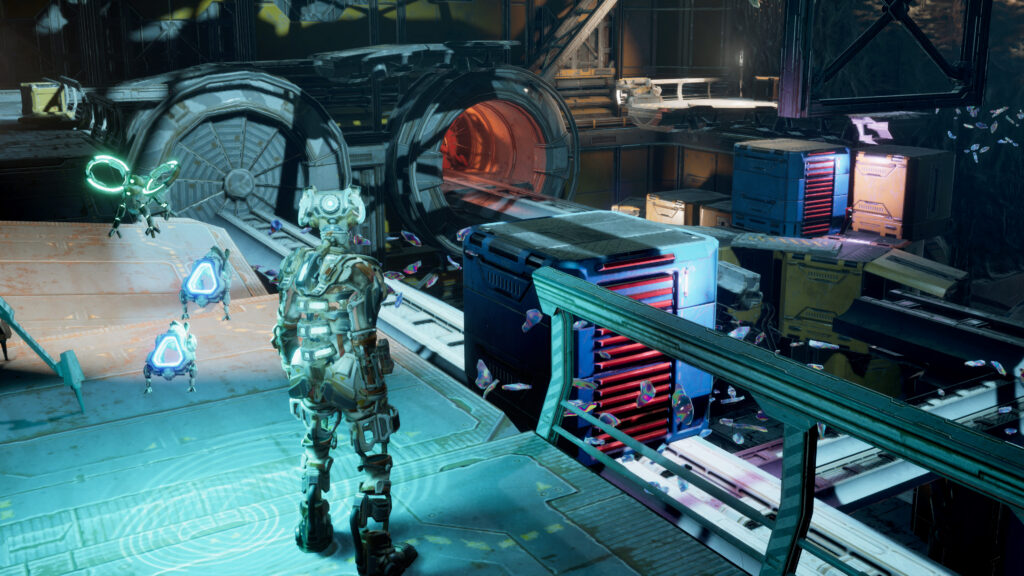
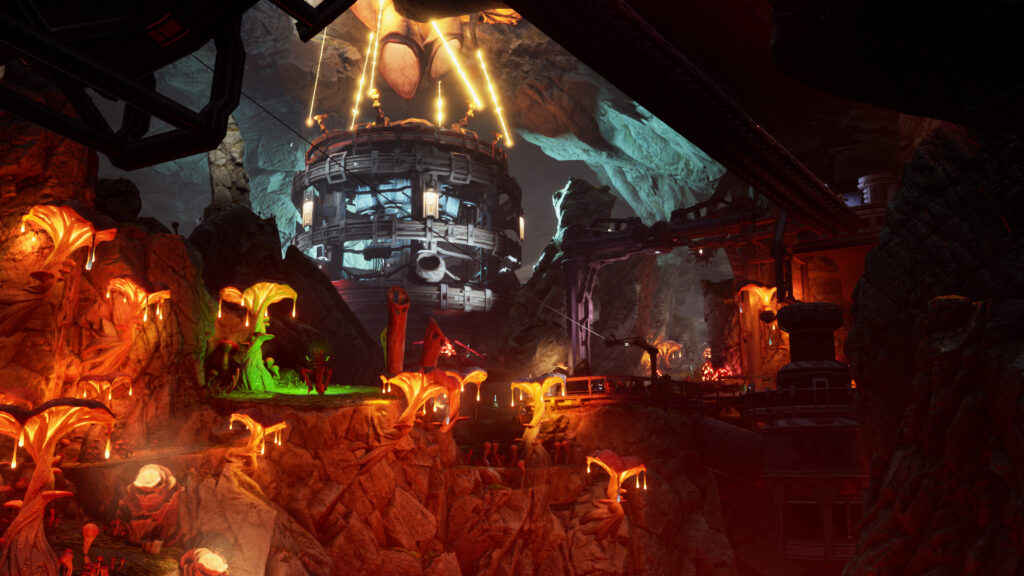
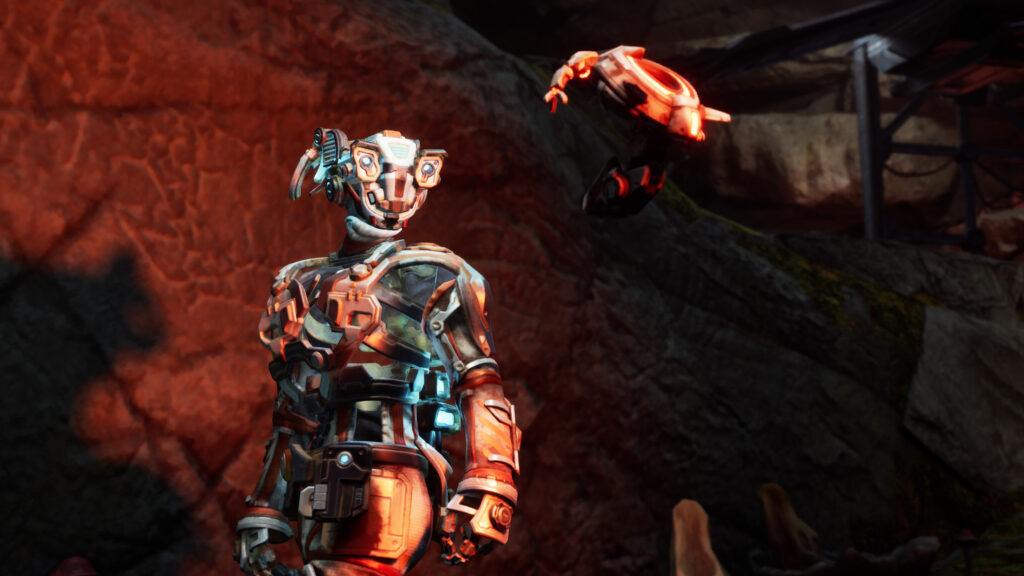
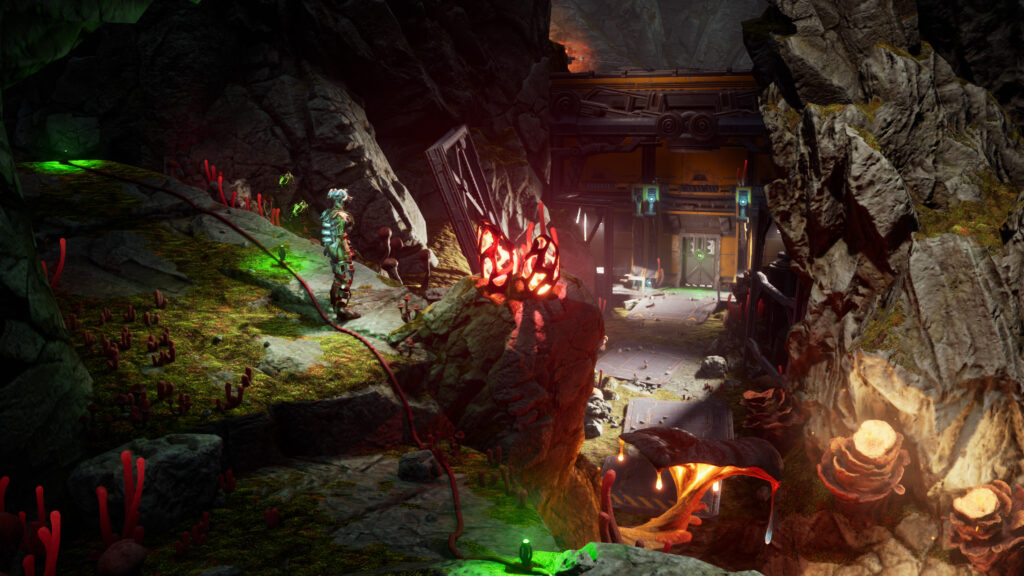
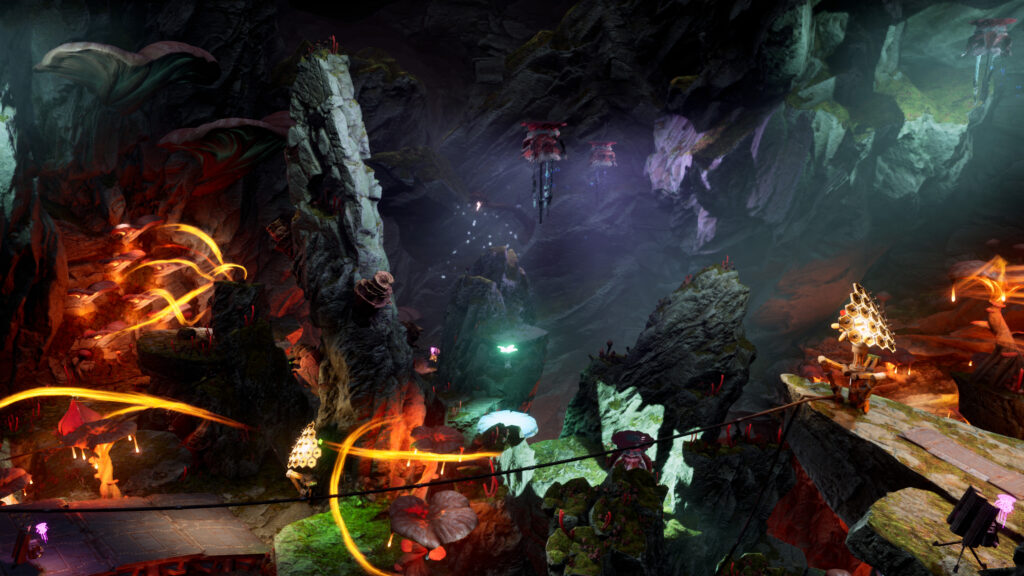
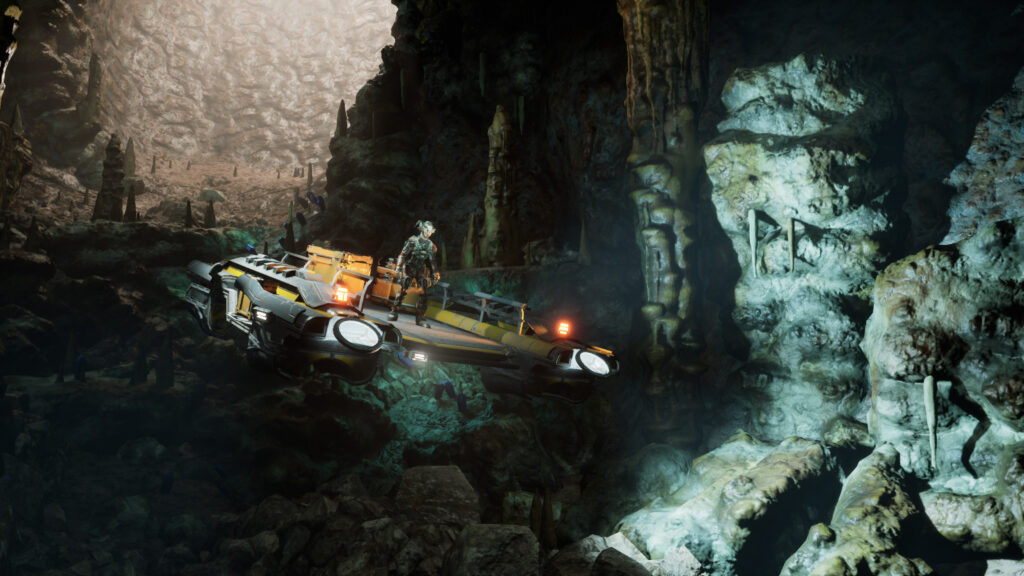
In partnership with Arm, we developed Neural Dawn: the world’s first game to use Unreal Engine MegaLights on mobile, only possible through Arm Neural Technology. This game is the first mobile title to feature desktop-class fully ray-traced dynamic lighting with thousands of shadow-casting lights.
Most new platforms have developer kits and APIs available to help developers make games. However, for this project, the final hardware we needed to benchmark against was being developed alongside the creation of Neural Dawn.
With limited access to the eventual hardware, a new API, ray tracing, neural graphics and the demands of mobile thermals, the project forced the team to rethink assumptions it would normally bring to game development.
For Sumo, working on Neural Dawn alongside Arm was an exciting challenge and opportunity which required creating a high-quality game experience, while working within the undefined, theoretical specifications of a new generation of mobile hardware.
This was a highly unique situation to be in, and one that we relished the challenge of.
Developing Neural Dawn alongside hardware that was still taking shape put many of our existing practices to the test. In doing so, it reinforced several principles that continue to inform how we approach ambitious technical challenges today. Five stand out in particular.
1. Plan an extended pre-production phase
When the final hardware isn’t available, pre-production becomes more than a phase for defining the game’s creative direction; it becomes an opportunity to explore the boundaries of what’s technically possible.
As a result, Neural Dawn’s pre-production phase was slightly longer than is typical for a game development project, as the team worked to establish the platform’s technical boundaries and define what could realistically be achieved on the target hardware.
While the team was exploring what was possible on the final hardware, Arm was also validating Neural Graphics Networks on a platform that was still taking shape. To make that possible, we needed to deliver fully polished vertical slices earlier in development so that Arm could profile the most demanding frames on their FPGA systems. After which, both teams could gradually build a clearer understanding of the platform’s capabilities, revising assumptions as new information became available.
We also had to provide many runs across different pre-development hardware specifications, which meant building a way to replay game recordings at different resolutions and settings.
The extended pre-production phase ultimately paid off. By the time the team was building the game’s final levels, performance was already closely aligned with the capabilities of the finished hardware.
By defining the technological limits early, the team created room to innovate later. Once the limits of the hardware were understood, attention could shift from managing risk to enhancing the experience. Through this approach, we established a strong foundation for the remainder of the project, enabling us to navigate uncertainty effectively while remaining a trusted and reliable development partner.
2. Prioritise risk mitigation
Without the final hardware to test against, risk mitigation became an essential part of the development process. Rather than waiting for potential issues to emerge later in development, we identified potential risks early and built a plan around it.
This involved creating a detailed risk management plan covering the areas we couldn’t test directly; including the possibility that the game might not perform as expected on the final hardware. Crucially, this wasn’t a document that was created once and simply referred back to throughout development. As new information emerged, we continually challenged our assumptions and refined the plan to reflect our growing understanding of the platform.
One way we mitigated the uncertainty around the final hardware was by testing the game on slightly older phones, knowing that these devices would be pushed harder than the newer hardware it was designed for. Subsequently, once the final devices became available, the team were prepared for the work needed to optimise for them and had adequate time left baked into the plan to cross the finish line.
We found that creating a rigorous risk management plan and keeping it up to date was essential for ensuring a smooth development process, which was particularly important when uncertainty around the hardware added an additional layer of risk.
3. Understanding is a two-way process
Typically, a game development partner would provide clear creative vision from the start of the project. However, as the hardware behind Neural Dawn was constantly evolving, we were discovering the project’s capabilities and constraints alongside Arm in real time.
This required a different kind of partnership. Beyond game development expertise, the project demanded close collaboration and ongoing consultancy as we worked with Arm to define success in an environment where both the technology and the game were evolving in parallel. Understanding Arm’s priorities as a technology company, rather than a traditional games publisher, was critical to aligning our approach with its objectives.
Understanding these expectations began in the pitching process. Alongside presenting established assets and plans, we focused on working with Arm to understand what they wanted to show, and what the tech could theoretically support. Open communication was central to this project from before it had even started.
By translating game development concepts into language that made sense to Arm, we could bring uncertainties to the surface while they were still relatively easy to resolve. This helped us establish a clear, collaborative working relationship and manage expectations on a project where both the technology and the game were being developed in parallel.
Ultimately, being a predictable, clear and reliable partner was just as important as delivering the game itself. By demystifying the development process and adapting our communication to a partner new to video game development, we created the conditions for more constructive dialogue, stronger collaboration and a smoother route through the project’s technical uncertainties.
For development teams working with non-traditional partners, the lesson is clear; communication needs to work for the client, not just the developer. Taking the time to explain the process, establish shared expectations and build trust early can make a significant difference to the success of a project.
4. Technical constraints inspire creativity
Developing Neural Dawn also brought a set of hardware constraints that are far more significant in mobile development than on consoles. This was especially true when working with demanding technologies such as MegaLights and ray tracing, which place considerable pressure on performance, power consumption and thermal management.
Unlike consoles, thermal throttling is a major consideration for handheld devices; making heat dissipation a far bigger factor on mobile development. Running high processing-power apps on a mobile device generates heat and, without careful planning, thermal throttling can quickly impinge the player experience if it is not adequately planned for.
Rather than treat thermal throttling as a problem to be solved for, we started approaching it as a design parameter: how far can we push the performance before this becomes an issue?
By understanding the parameters and requirements of the project, we could make confident creative decisions and ultimately achieved visual quality on mobiles that was previously not possible.
The experience reinforced that working within technical constraints shouldn’t limit creativity. When understood early and approached with a curious mindset, constraints can provide a platform for innovation; encouraging developers to find new ways to achieve, and even surpass, their creative ambitions.
5. Plan flexibility throughout all stages of development
Flexibility is a fundamental component of any development plan, but it became particularly critical on Neural Dawn where high levels of uncertainty were present throughout development.
Alongside creating a thorough risk-mitigation plan and planning for an extended pre-production phase, it was essential to account for unforeseen surprises, such as challenges arising from changes to the hardware that was being developed in parallel.
Throughout production, the team built contingency time into the plan to accommodate for those unforeseen moments, particularly those involving aspects of the game that couldn’t be fully tested until the final hardware became available. This gave us the flexibility to address problems as they arose, while keeping the project on track.
One example was supporting the game on foldable phones, which introduce additional hardware and performance considerations, particularly as they have more complex thermal requirements than standard phones. This is because many foldable phone models have two screens and therefore do not dissipate heat as effectively. By allowing for these kinds of challenges, we were better positioned to accommodate the additional work required without disrupting delivery.
The experience reinforced the importance of treating flexibility as a fundamental part of project planning, rather than simply reacting when things go wrong. By building room for uncertainty into each stage of development, we could adapt to changing requirements, deliver reliably and provide consistent support to our partner.
Reflections
As emerging technologies are reshaping game development faster than ever before, developers must navigate an increasingly complex relationship between technological innovation and production realities. Exploring ways to develop at pace alongside these emerging technologies is now mission critical for developers, and our takeaways from developing Neural Dawn are informing how we approach development company-wide.
Building a game for hardware that didn’t exist yet meant giving up many of the certainties and rules that we usually leant on. With no final devices to test on, and the project being centred around such innovative technology, the uncertainties and risks could be daunting to even the most experienced developers.
However, Neural Dawn couldn’t have been made without these challenges, and it was an exciting opportunity to innovate beyond the game itself. The project pushed us to refine our workflows, adapt our processes and expand our technical capabilities, giving us valuable experience that we can carry into future projects.
Through careful planning, communication and a lot of creative thinking, we have created a game that we are extremely proud of. We celebrate the launch of Neural Dawn, and look forward to seeing what Arm Neural Technology makes possible for mobile gaming in the future.
For studios looking to push the boundaries of what’s possible on mobile, the opportunity is no longer just to optimise. With a strong partner supporting you, the next step in mobile gaming is to reimagine.
Get in touch to discuss your next project.