
Co-Dev Has Never Been So Important
We have all seen a seismic shift in the games industry over the last five years.
Where once games were created by in-house teams with some occasional, constrained, assistance from external satellite development studios, the modern landscape has flipped that practice on its head.
Now, the high-risk maths often don’t add up without the workload being spread across multiple teams. How to scale your studio’s output through effective co-development is the question many of our partners are asking. Our partner’s need to de-risk delivery by maximising efficiencies – and quality – with Dev Teams who have proven skillsets (and years of experience honing them) has never been greater.
AAA mistakes are costly and learning takes time, requiring valuable work to be thrown away in the name of experimentation. It’s a runaway train of escalating complexity and expense… and everyone is constantly playing catch-up. But it feels impossible to get ahead of the game, without help.
It simply makes more sense to bring in the right people, with the right skills, the right appetite and the right passion for the job that needs to be done. It’s often the only way to achieve an inarguable quality bar and ship a game on time.
Sumo Digital has been a leading co-development partner to some of the world’s biggest games for over twenty years, so we know how good partnerships work. This means tailoring our offerings to every client’s needs underpinned by fundamental principles.
“Adopting best practice in this field isn’t going to make you an extra million pounds, but it might save you a million!” says Sumo Digital VP, Dean Trotman
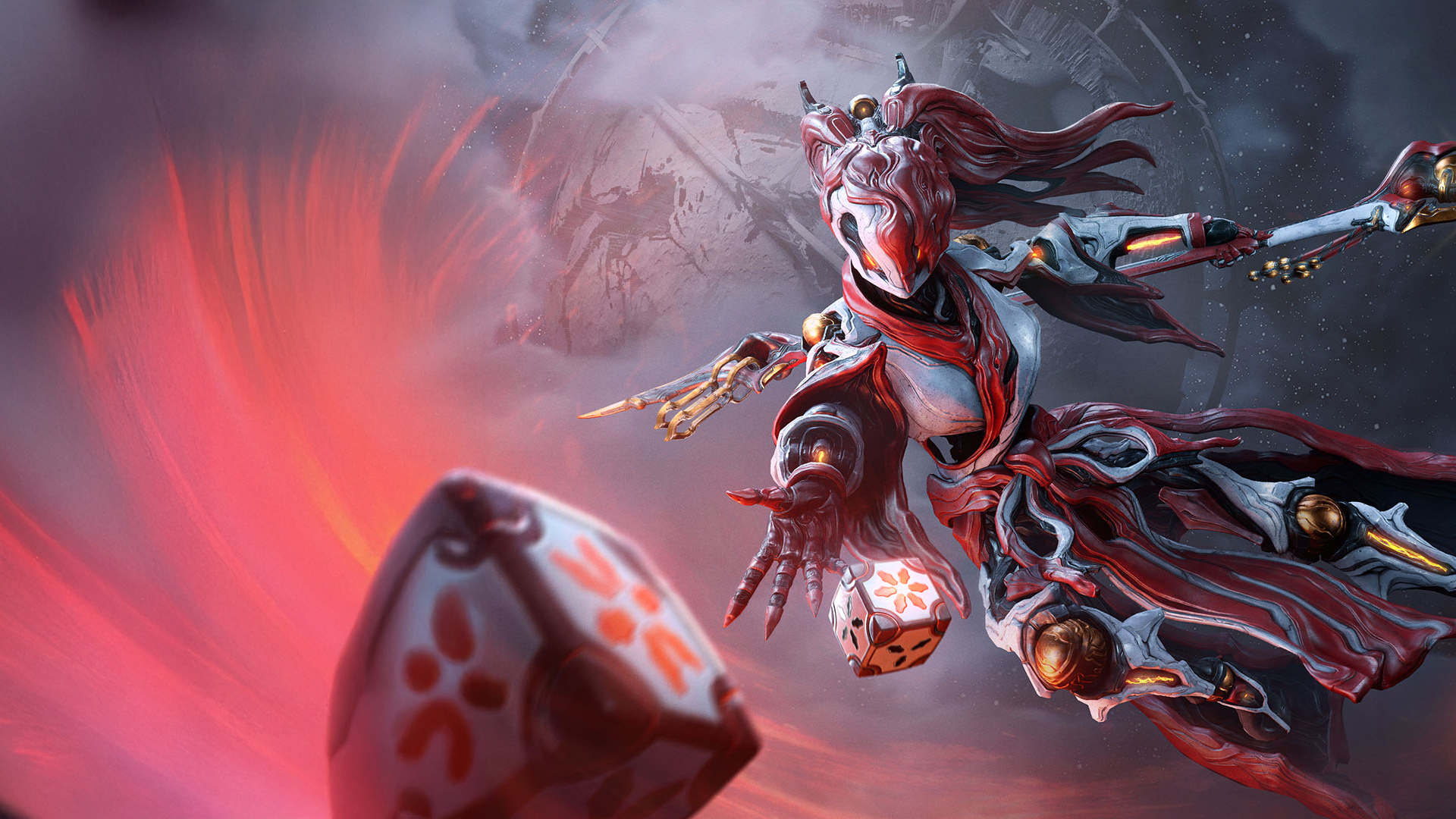
Koumei & The Five Fates Key Art. For the October 2024 release, Sumo helped co-create Koumei, her weapons (including Higasa, a gunbrella inspired weapon and Amanata, a divine pole arm inspired by the Naginata style weapon), and new skins.
Alignment Phase
The initial phase of alignment is crucial. Not only to ensure good communication and shared goals between teams at Sumo and the partner, but also to prove out production pipelines, investigate nuance and create a cohesive development environment. Taking time to lay solid foundations pays dividends in the long run.
Sumo’s Franchise Development Director, Steve Lycett explains that “studios that take the time to align early tend to deliver better work with more time to iterate and improve. Our approach to Co-Dev is that you need to be able to walk before you can run.”
This was especially true for Sumo’s work on Warframe, with Digital Extremes.
Content updates on their live service title needed a high level of polish and a deep understanding of both the game and its complex art style, before concept work could really begin.
Sumo was tasked with a small onboarding project, to demonstrate understanding, empathy and fluid communication pipelines. Digital Extremes asked the team to co-create a new Warframe, sculpting Koumei from their concept, which then led to us concepting the Weapons, and additional Cosmetics, such as the Alt Helmet. Soon, our partnership grew into developing a simple playable mission and some ‘surprise’ gameplay via a mini-game of the team’s own design. This became Caliber Chicks 2, a retro arcade mini-game, created specifically for the Warframe: 1999 update.
This brief was great. It was creative, lent ownership to the team and defined a foundation for learning how things are produced from the ground up in Warframe.
It was hugely important to align standards and expectations early on.
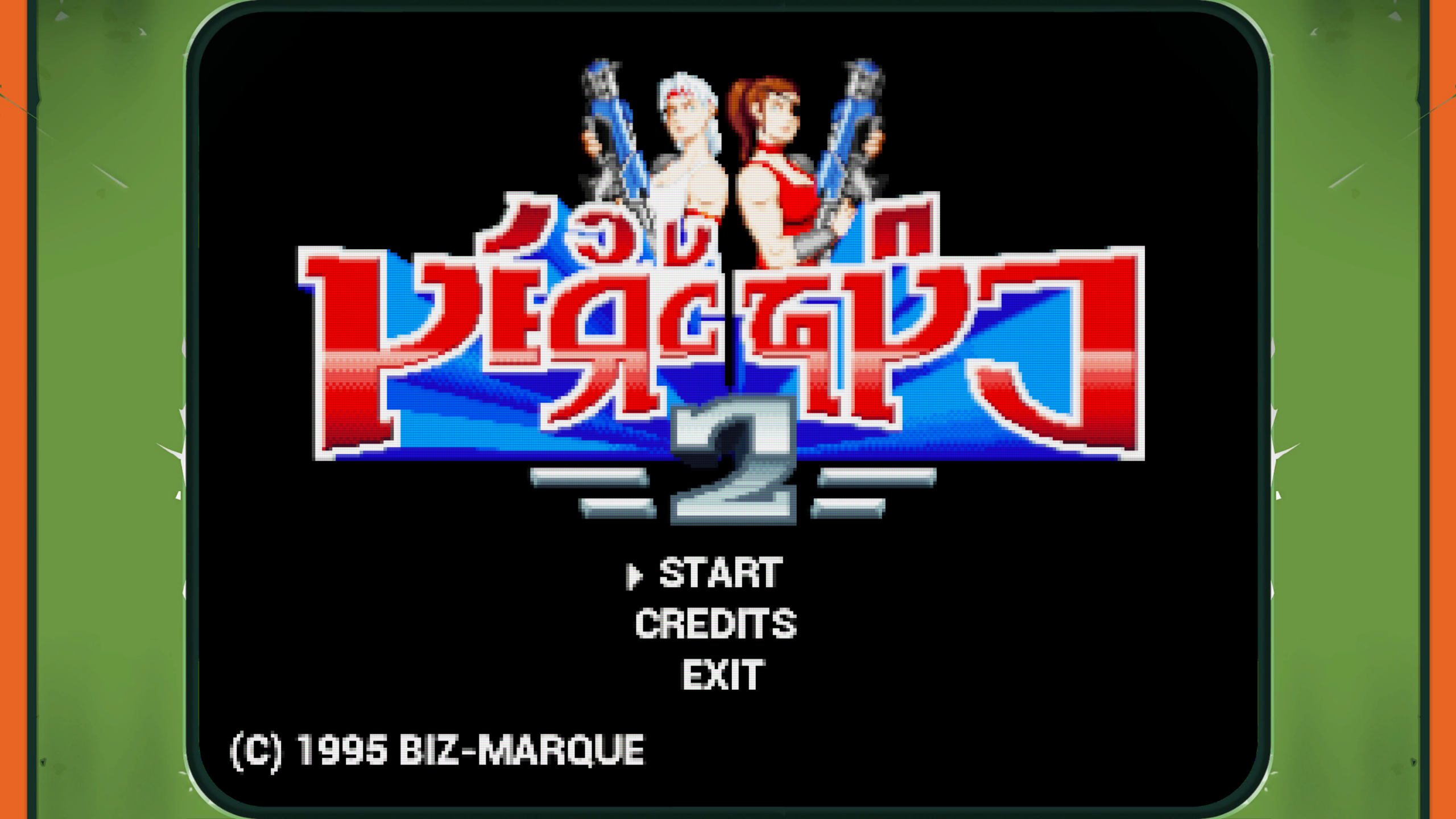
Caliber Chicks 2, a retro arcade mini-game created for Warframe by Sumo for their Warframe: 1999 update in December 2024.
Leadership and Ownership
Strong partnerships are usually anchored by the right people. That means clear ownership on both sides, led by individuals who not only have the right experience, but are genuinely invested in the project.
When that ownership is in place, decision making becomes straightforward. Communication is direct, escalation paths are obvious, and there’s far less room for ambiguity as you move into critical stages of delivery.
“On Gears of War: Reloaded, leadership and ownership were very deliberately structured. We had clear leads on both sides who were close enough to the work to make informed calls. That clear leadership meant we could move quickly, stay aligned, and resolve points of contention without them lingering or fragmenting the team.”, Senior Producer at Sumo, Amelia White says.
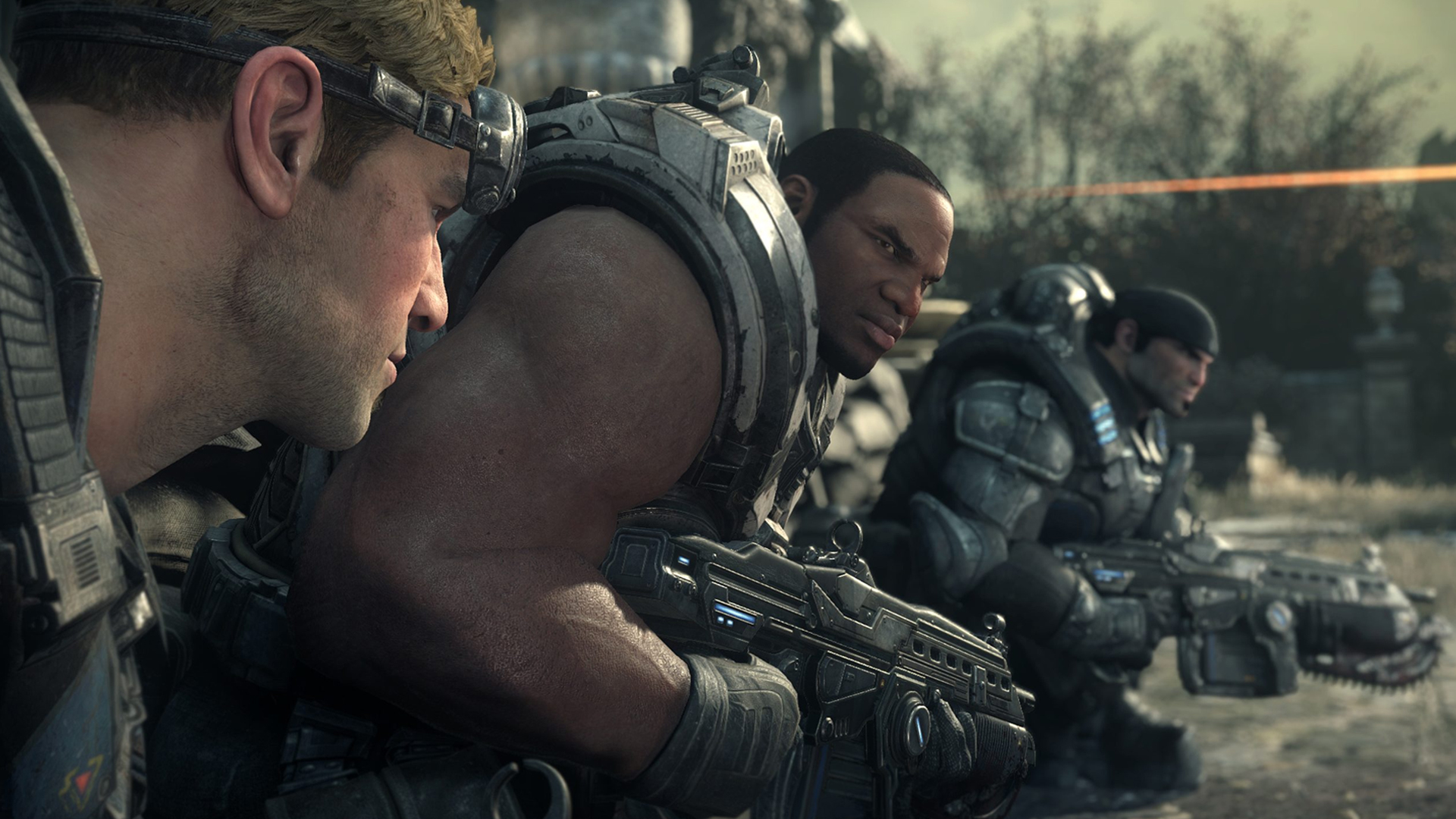
Gears of War: Reloaded Key Art, released August 2025.
Building Understanding
Taking the time to build trust and understanding in the first weeks of a project pays off as soon as production ramps up. Communicating in person – on-site or remotely – and opening casual channels as well as strictly professional ones, enables human relationships to form, which is integral to success.
It’s important to start building an understanding of any differences our partner might have in production workflows. Where available we like to ask to see if there is an existing development framework.
“Let me pick an easy one, when you use the world Alpha, that has very different meanings to Developers and Publishers around the world. For some it’s a feature complete version of a game, for others it’s an initial Vertical Slice. There is quite a difference between those two views, and there are many more. So even when you think you’re speaking the same language, you may not be!”, says Steve Lycett.
Onboarding External Teams
It helps to think of external partners as an extension of your team. Onboarding them in a similar way to new hires, giving them proper access to tools, documentation, and context, makes a significant difference. The faster they can get up to speed with your tools and your systems, the faster they can contribute meaningfully.
This becomes even more important when working with proprietary tools or more complex pipelines.
“We like to do a due diligence visit whenever we start work with a new partner. This helps us understand how they work, what tools and practices they use we may adopt, but it also helps us see how much of a given project is documented or how much is tribal knowledge we’ve got to learn.” says Lycett.
The Onboarding Process
All parties need to feel as though they are an extension of a single team. Taking the same time, care and attention to onboard new teams as diligently as you would a new internal hire, welcomes them into an open environment to which they will (hopefully) feel that they belong in.
Slick processes that grant immediate access to tools, documentation and, importantly, context, makes a significant difference and allows team members to contribute.
This becomes even more important when working with proprietary tools or more complex pipelines.
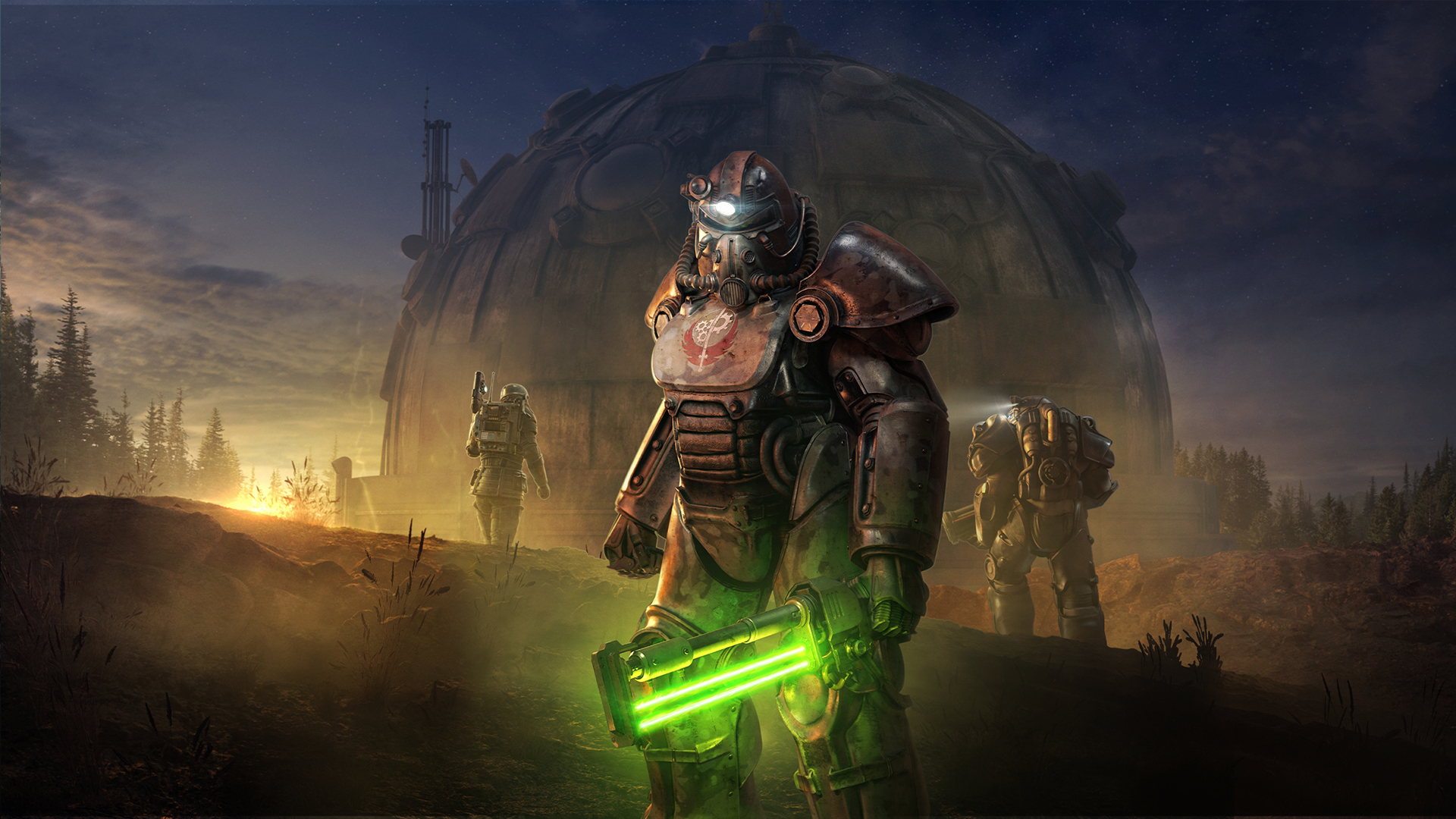
Fallout 76 Key Art, Infestations update released June 2026.
Aligning on Expectations
One of the more common issues in co-development is misalignment on definitions.
Different teams often use the same language in slightly different ways; whether that’s around quality, completion, or stage gates. Those differences can cause real friction if not addressed early. Getting aligned on expectations upfront makes planning more accurate and reduces rework later.
“When working with Bethesda on Fallout 76, there was a clear-cut expectation on what was required for the next fen upgrades. However, where and what update it fitted into was important.
With a live title, it’s important to be cautious about what you are delivering each update; you want to ensure players continue to have a reason to return with plenty of content, but also ensure the game remains stable.
Our alignment and understanding of that from Bethesda was vital as it helped us understand and prepare for changes and possible challenges ahead. It’s also why in the Fallout 76 – Infestations update, it presented the testing period for Next Gen platforms prior to its official release. We wanted to ensure it came packaged with content and a reason to return to the game, plus a learning opportunity for us on how our work would be recieved.
We learned it’s not just about giving more to the players, it’s about giving more to the players at the right time, with quality, care, and passion behind it.” says Luke Cook, Producer at Sumo.
Planning for Change
Very few projects run exactly as planned. Priorities shift, roadmaps evolve, and in live environments, player feedback can quickly change what needs to be delivered.
This isn’t the case for every partnership, but co-development setups need to be able to absorb that change.
Clear expectations for what are likely to be pressure points on the project, and agreeing when your unknowns are likely to surface allows teams to handle change without breaking stride.
On Gears of War: Reloaded, the Open Beta weekends weren’t just validation points, they were planned inflection points. We built the delivery model around the expectation that player feedback would drive change and made sure we had the structures in place to absorb it.
That meant dedicated triage, clear ownership, and headroom in the schedule to act on what we were seeing. When feedback came in, we weren’t scrambling to respond, we were executing against a plan.” says Amelia White.
Luke Cook also adds “We used various data points and methodologies from our sprint planning and JIRA databases to understand the direction we were heading on a weekly basis. We reviewed that data weekly with the team at Bethesda to understand what was ahead for Fallout 76 and ensure we were prepared for the changes a live service title can bring.”
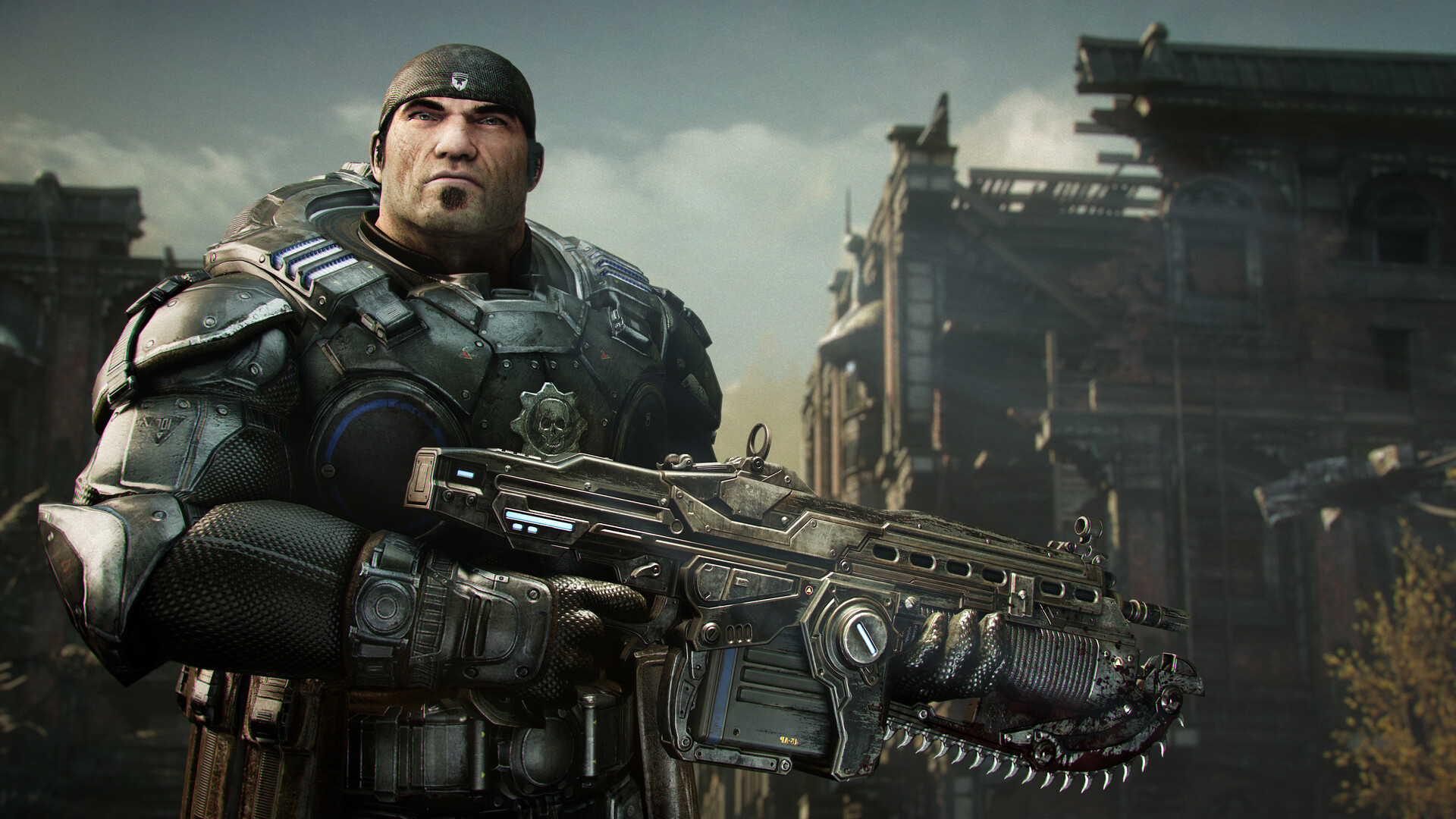
Gears of War: Reloaded Key Art, released August 2025
Solving Challenges Together
Challenges are an essential part of any project. Some good, some bad. What really matters is how communication is handled and getting your teeth into solving them as quickly as possible.
Dealing with problematic challenges early, embracing them openly and solving them efficiently, together, builds trust really quickly. Bringing necessary voices along for the ride and being inclusive as well as authoritative brings both partners together over a single point of potential contention.
“Gears Of War: Reloaded was a good example of how we handle challenges as a team.” says Liam Cook. “What mattered wasn’t avoiding issues; it was how quickly we aligned on them. We made decisions in the open, with shared ownership, and moved forward without lingering ambiguity. That consistency builds trust fast, both within the team and with our partners, because everyone knows where they stand and what we’re doing next.
That approach of inclusive but decisive problem-solving is what allowed us to keep momentum, even when things got complex.”
Building Genuine Partnerships
There’s a lot more to long-term, rewarding and productive partnerships than just being an extra pair of hands in a resourcing crisis. Co-Dev is now an integral part of the game-creation process. Thinking of Co-Dev partners as a key wing of a core team, with shared ownership, responsibility and accountability becomes an effective way to attain quality, scale and innovation.
Get in touch if you need a trusted Co-Dev partner. We’ve literally been doing it for years and we love it.